


People often notice that certain days feel unusually smooth while others seem full of friction, even when the schedule looks the same. Some attribute those shifts to sleep, stress, or coincidence; others look upward and wonder whether larger patterns influence the tone of ordinary life. Planetary motion has long been used as a symbolic clock, offering a way to describe why motivation surges, why patience thins, or why conversations suddenly feel more intense.
From skywatching to self-observation
Long before modern psychology, communities tracked the movement of bright bodies across the night sky and linked them to cycles on Earth. These observations became narratives about temperament, timing, and change, shaping how people interpreted success, conflict, and opportunity. In parts of India, those ideas remain active through Jyotish in Surat, where planetary cycles are read as a structured language for personal reflection rather than a replacement for practical choices.
The hidden pull of expectation
Behavior is often shaped by what we anticipate. When someone believes a period favors bold action, they may speak more confidently, take initiative, and notice supportive outcomes more quickly. When someone expects setbacks, they may hesitate, interpret neutral events as warnings, or avoid risks that could have helped them. This is one reason planetary interpretations can feel powerful: they shift attention, and attention changes behavior in subtle but measurable ways.
The Sun as a metaphor for identity and drive
In many traditions, the Sun represents vitality, purpose, and the desire to be seen. When people feel “switched on,” they tend to lead, perform, and take ownership of their direction; when that sense dims, they may retreat or question their value. Thinking in solar themes can encourage self-checks: Am I acting from confidence or from the need for approval? Even as a metaphor, this framing can prompt healthier choices in work, relationships, and personal goals.
The Moon and the rhythms of mood
Daily life is filled with emotional weather that changes quickly. The Moon is often used to describe memory, comfort needs, and instinctive reactions, such as when someone suddenly craves quiet, becomes nostalgic, or seeks reassurance. When people track lunar themes, they may become more aware of triggers and more careful with impulsive responses. Instead of pushing through every feeling with willpower, they might schedule rest, reach out for support, or delay a heated conversation until they feel steadier.
Mercury and the mechanics of communication
Misunderstandings often come from speed rather than malice. Mercury is frequently associated with messaging, learning, and decisions made on partial information. During mentally busy phases, people may multitask, interrupt, or over-explain; during slower phases, they might reflect more and choose words with care. A simple astrology guide can encourage readers to notice how quickly they talk, how carefully they listen, and whether they are speaking to connect or speaking to win.
Venus and the social instinct
Human behavior changes dramatically when the need for belonging is activated. Venus themes often focus on attraction, taste, harmony, and the pursuit of ease. When someone feels open and appreciative, they may dress differently, spend more on small pleasures, or soften their approach in conflict. When that energy feels blocked, they might become critical, distant, or overly guarded. Watching these patterns can help people see that “relationship problems” are sometimes mood cycles interacting with unmet needs rather than permanent incompatibilities.
Mars and the edge between courage and conflict
Mars is commonly linked to action, competition, and the willingness to confront. When this energy runs high, people may start projects, assert boundaries, or speak directly, but they may also become impatient and reactive. When it runs low, procrastination can look like laziness even when it’s actually low drive or fear of resistance. Reflecting on Mars-like patterns can help someone channel intensity into training, focused work, or honest conversation, rather than letting it spill into arguments and rushed decisions.
Outer planets and slow-change behavior shifts
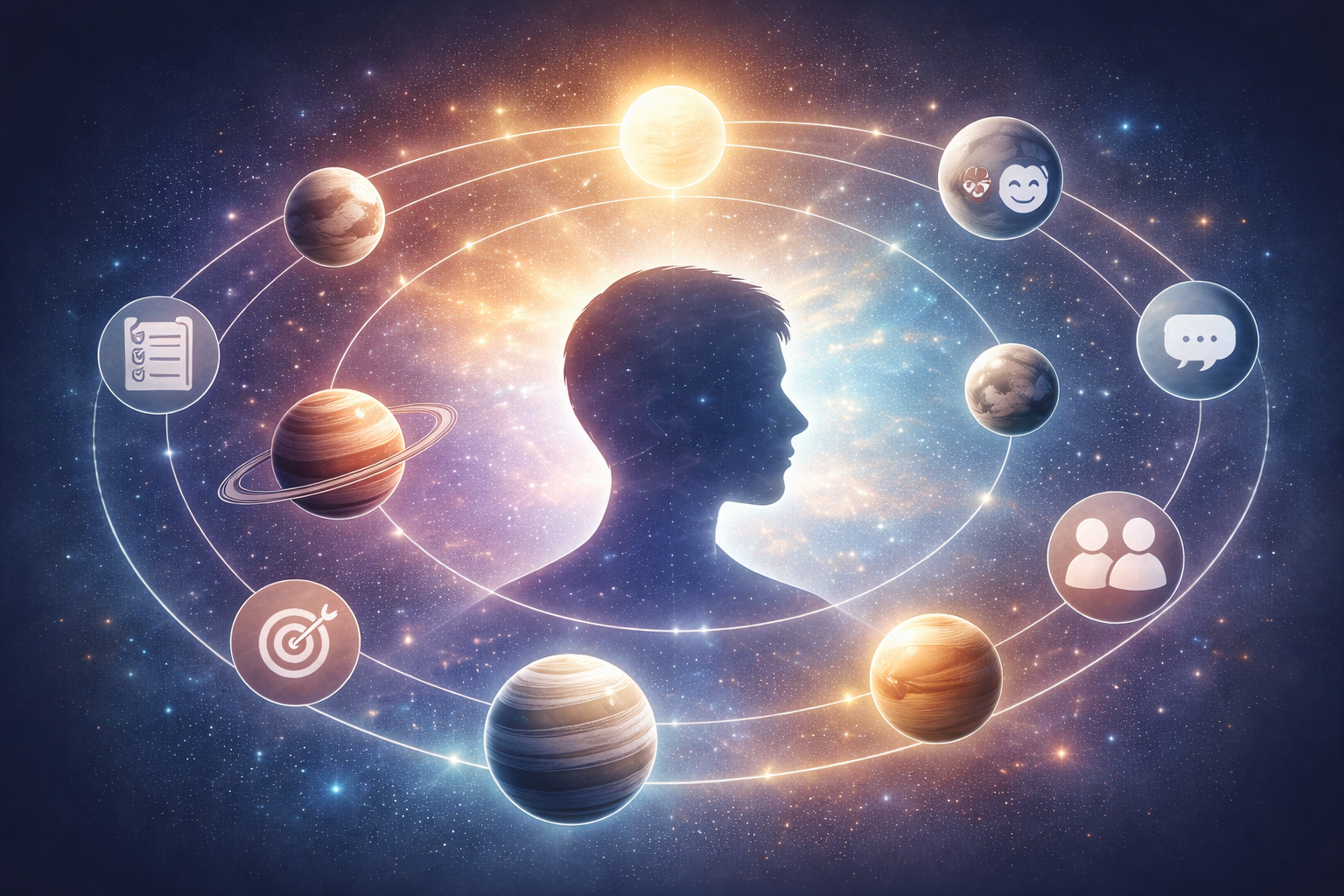
Some influences are not day-to-day; they show up as longer arcs in personality and life direction. Slower-moving planets are often interpreted as background pressures that shape values, ambition, and the urge to transform habits over years. Whether taken literally or symbolically, these long cycles can mirror how people mature: the way priorities shift, friendships change, and old goals stop satisfying. This perspective can make it easier to accept that discomfort sometimes signals growth rather than failure.
Prediction, planning, and personal responsibility
Many people are drawn to forecasts because they want to feel prepared. Yet the most useful approach treats prediction as guidance, not a verdict, since behavior still matters more than any chart. When someone consults astrology future prediction, the best outcome is often increased clarity: they choose better timing, reduce impulsive choices, or recognize patterns that keep repeating. The point is not to surrender control, but to make choices with more awareness and less panic.
Conclusion
Planetary movement remains compelling because it offers a structured story about changing moods, shifting priorities, and the way timing affects behavior. Whether viewed as tradition, metaphor, or spiritual practice, it can function as a mirror that helps people notice what they usually overlook, tone, impulse, and the hidden motives behind everyday actions. Used thoughtfully, this lens doesn’t remove responsibility; it strengthens it by encouraging attention, reflection, and more intentional responses to daily life.