


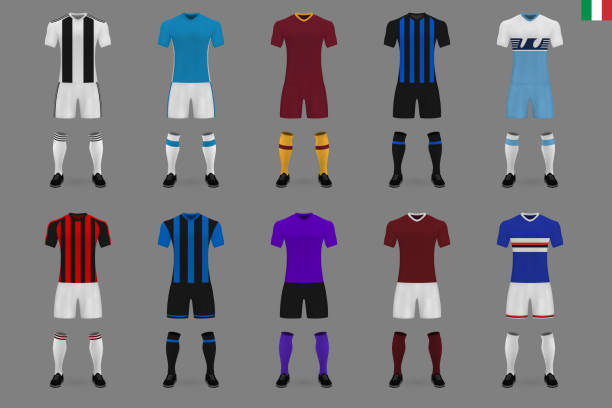
Picture this: a player lifts the trophy, and the camera zooms in on their jersey—sweat-soaked, grass-stained, and instantly iconic. World cup football kits aren’t just uniforms. They’re wearable time capsules that capture the spirit of nations, the artistry of designers, and the passion of millions of fans.
But what transforms a simple shirt into a cultural phenomenon? The answer lies in a sophisticated blend of technical innovation, cultural storytelling, and commercial strategy. From Argentina’s folk art patterns to Japan’s baseball-inspired pinstripes, modern tournament kits have evolved far beyond their functional origins.
This article explores how world cup football kits became powerful symbols of national identity, the technical distinctions that separate player editions from fan versions, and why the 2026 tournament represents a watershed moment in football apparel design. Whether you’re an industry professional or a passionate collector, understanding these elements reveals why certain kits transcend the pitch to become timeless artifacts.
How World Cup Kits Became Cultural Symbols Beyond the Pitch
World cup football kits have undergone a remarkable transformation over the past three decades. What began as simple colored jerseys to distinguish teams has evolved into sophisticated narratives that weave together folklore, indigenous art, and national heritage. Today’s manufacturers recognize that a well-designed kit does more than outfit a team—it tells a story that resonates across continents.
The shift toward cultural storytelling accelerated dramatically in recent tournament cycles. Nike, Adidas, and Puma now employ dedicated design teams who research historical archives, consult with cultural experts, and incorporate authentic artistic traditions into their creations. Argentina’s away kit featuring Fileteado Porteño patterns—the ornate folk art style adorning Buenos Aires storefronts—exemplifies this approach. Ghana’s home kit takes inspiration from Kwaku Ananse, a spider from West African folklore, with a web-like graphic emanating from the central crest.
This design philosophy extends beyond visual aesthetics. Ecuador’s kit includes the internal collar stamp “Soñar, Trascender y Hacer Historia” (Dream, Transcend, and Make History), while Iran’s jerseys prominently feature the Asiatic cheetah to raise awareness about the critically endangered species. These details transform kits into educational tools and conversation starters.
“A jersey is more than fabric and thread—it’s a canvas where national identity meets global stage.” — Football design historian
The “risk-taking” approach has particularly influenced secondary and tertiary designs. Manufacturers now view away and third kits as opportunities to explore bold concepts that would be too radical for traditional home jerseys. Consider these standout examples:
- Brazil’s poison dart frog motif in black and neon aqua
- Belgium’s surrealist elements inspired by René Magritte
- Curaçao’s pastel shades mirroring Willemstad’s architecture
These kits function as wearable ambassadors of national pride. When Uruguay’s away kit features a shimmering mantle around the neck mimicking ancient indigenous armor, it connects modern fans to their 1930 championship heritage. Morocco’s Fes-style embroidered taping showcases traditional craftsmanship on a global stage. Cape Verde’s triangular prints represent flight paths connecting the nation’s ten islands, turning geography into art.
The emotional connection fans develop with these designs extends far beyond match days. Collectors seek out specific editions that commemorate historic moments, while casual supporters wear them as fashion statements that signal cultural affiliation. This dual function—performance gear and lifestyle apparel—has redefined how manufacturers approach tournament collections.
What Makes a World Cup Kit Technically Authentic vs. Fan-Ready
Understanding the distinction between authentic and replica world cup football kits is essential for anyone navigating the tournament apparel market. These two tiers serve fundamentally different purposes, reflected in their construction, pricing, and target consumers.
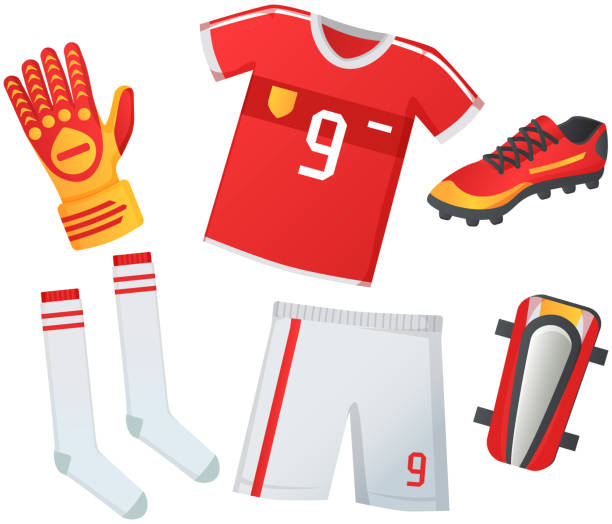
Authentic jerseys—also called player editions—are the exact specifications worn by athletes during matches. Priced between $150 and $180, these garments prioritize performance above all else. They feature advanced moisture-wicking technology like Nike’s ADV or Adidas’ Heat.RDY systems, which rapidly pull sweat away from the skin. The fabrics are exceptionally lightweight, and crests are heat-applied rather than embroidered to reduce weight and friction. The athletic fit uses compression engineering to minimize drag and maximize ventilation during high-intensity play.
Stadium or replica jerseys cater to the broader fan market at approximately $100 for adults. These versions sacrifice some performance features for durability and comfort during casual wear. They utilize slightly heavier fabrics with embroidered crests that withstand repeated washing better than heat-applied versions. The standard “fan fit” accommodates a wider range of body types without the compression of authentic cuts.
The retail segmentation extends further with women-specific silhouettes and youth versions priced around $85. This tiered approach maximizes market penetration by offering entry points for different consumer segments while maintaining the premium positioning of authentic editions.
Key Differences at a Glance:
Authentic/Player Edition:
- Advanced moisture-wicking systems
- Ultra-lightweight fabrics
- Heat-applied crests and badges
- Compression athletic fit
- $150-$180 price point
Replica/Stadium Edition:
- Standard moisture management
- Durable, heavier fabrics
- Embroidered crests
- Relaxed fan fit
- $100 price point
Functional innovations embedded in 2026 World Cup football kits justify these premium price points. Many jerseys feature embossed textures inspired by traditional weaving—Uzbekistan’s Suzani embroidery patterns and Saudi Arabia’s geometric motifs add tactile dimensions that photographs cannot capture. South Korea’s kits include marled fur prints nodding to the national tiger symbol. These details create collectibility beyond basic team allegiance.
Hidden elements further distinguish premium offerings. Internal collar stamps, star increments commemorating continental titles, and Runic patterns on Norwegian sleeves reward close inspection. These features transform kits from simple sportswear into layered cultural artifacts that reveal new details with each examination.
Material science continues advancing with each tournament cycle. The 2026 editions incorporate recycled polyester from ocean plastics, addressing environmental concerns without compromising performance. Ventilation zones strategically placed across high-sweat areas use laser-cut perforations invisible to the naked eye. These technical improvements happen behind the scenes, but they significantly impact player comfort during 90-minute matches in varying climates.
Why the 2026 Tournament Represents a Design Revolution
The 2026 World Cup marks an inflection point in tournament apparel history. The expanded 48-team format creates unprecedented opportunities for both established manufacturers and emerging brands to showcase their design philosophies on football’s biggest stage.
The “Big Three”—Nike, Adidas, and Puma—maintain their dominance by outfitting the majority of competing nations. However, the tournament features notable appearances from challenger brands that bring fresh perspectives. Reebok returns to the World Cup stage after a long absence with Panama’s retro-infused collection featuring harpy eagle motifs. Spanish manufacturer Kelme provides kits for Jordan and Bosnia with ethereal graphics and classic pinstripes. Regional brand 7Saber introduces Uzbekistan’s traditional Suzani embroidery to a global audience, proving local identity can compete with multinational templates.
Breakthrough designs define the 2026 cycle. Japan’s away kit—styled like a vintage baseball jersey with rainbow pinstripes—achieved instant sellout status by successfully blending retro nostalgia with modern street style. Brazil’s Jordan Brand collaboration features poison dart frog patterns in black, navy, and neon aqua, marking a bold departure from traditional palettes. France’s verdigris mint shade pays tribute to the Statue of Liberty’s copper cladding, linking the host nation with French history.
The commercial rise of third kits represents a significant strategic shift. Historically rare for national teams, these alternates have become essential retail assets:
- Norway’s full blackout stealth kit with Runic patterns
- Mexico’s geometric “MX” pattern on black
- Iraq’s black-green combination targeting streetwear consumers
These designs often feature experimental color palettes and glow-in-the-dark logos that would be too radical for traditional home jerseys. They target streetwear consumers who view kits as lifestyle fashion rather than purely sporting goods.
Retail performance data validates this approach. Niche designs with high aesthetic value consistently outperform generic templates. Uruguay’s 1930 championship tribute and the USMNT’s 1994 throwback with wave-effect stripes demonstrate that historical authenticity drives sales in the North American market. Initial data shows these lifestyle-crossover designs achieve faster sell-through rates than conventional offerings.
“The modern football kit has become a bridge between athletic performance and street fashion, creating new revenue streams manufacturers never imagined a decade ago.” — Sports apparel industry analyst
The balance between bold experimentation and FIFA regulatory requirements creates ongoing tension. Blackout kits face scrutiny regarding broadcast visibility and contrast standards. Designers must navigate these constraints while pushing creative boundaries, resulting in sophisticated approaches that satisfy both commercial and regulatory demands.
Digital integration represents another frontier. Some 2026 kits include NFC chips embedded in tags, allowing fans to authenticate purchases and access exclusive content. QR codes link to behind-the-scenes design stories and player interviews. This technology layer adds value beyond the physical garment, creating ongoing engagement between brands and consumers.
Final Thoughts on Kit Design’s Lasting Impact
The 2026 world cup football kits represent the culmination of decades-long evolution in sports apparel design. These garments successfully merge high-performance engineering with cultural storytelling and commercial innovation, creating products that serve multiple purposes simultaneously.
What makes certain kits memorable extends beyond their functional role. They become collectible cultural artifacts that capture specific moments in time—the defending champion’s gradient blues referencing three historic victories, the host nation’s nostalgic wave patterns, the underdog’s folklore-inspired graphics. These designs transcend their original purpose to become symbols that fans treasure long after the final whistle.
The sophisticated balance between traditional national identity and contemporary consumer appetite for bold aesthetics defines successful kit design in the modern era. As manufacturers continue pushing creative boundaries while respecting heritage and meeting technical requirements, world cup football kits will remain powerful ambassadors of national pride and artistic expression on the global stage.
For collectors and enthusiasts, the 2026 tournament offers an unparalleled opportunity to acquire pieces that will appreciate in both cultural and monetary value. The expanded format means more stories, more designs, and more chances to own a piece of football history. Whether you prefer the technical precision of authentic editions or the accessible comfort of replica versions, these kits represent far more than team colors—they’re wearable narratives that connect us to the beautiful game’s past, present, and future.